%20(2).png)
I work intuitively, allowing colour and form to guide the process. My paintings explore emotional states, stillness, and inner movement through expressive abstraction and symbolic forms. Rather than depicting reality, I create atmospheric spaces for contemplation, where the viewer can slow down, feel, and connect with their own inner experience.
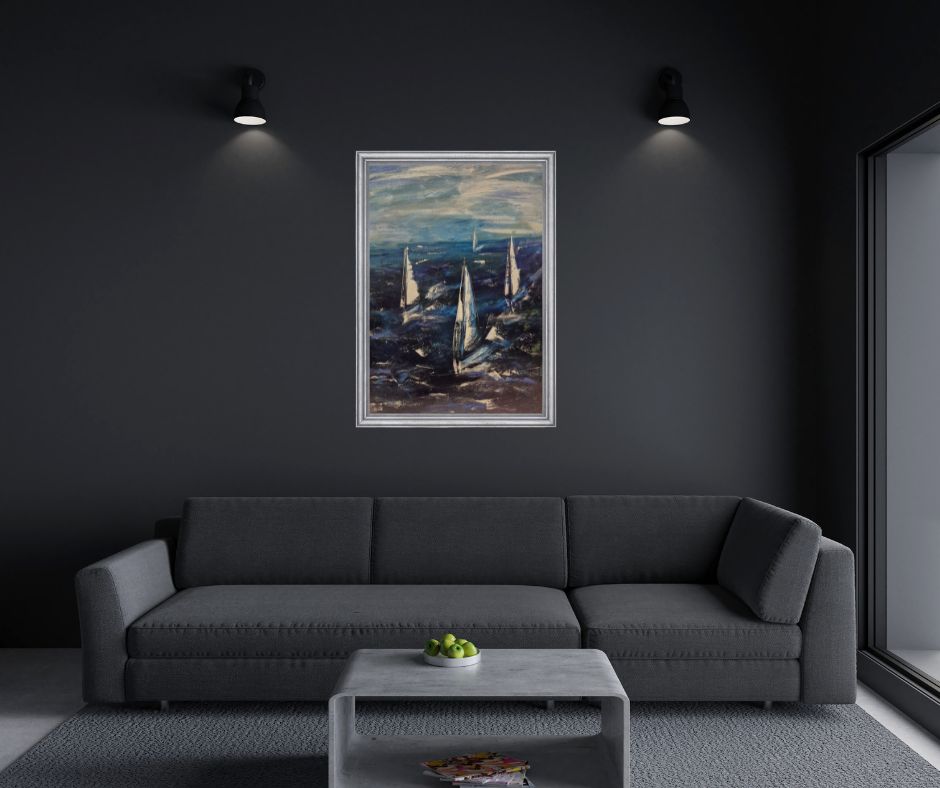
Explore how color functions as a silent language in contemporary abstract art, shaping emotion, memory, and perception beyond words.
Color has the power to speak without sound. In contemporary abstract art, it becomes a language of emotion, memory, and intuition communicating what cannot always be articulated through words or
Explore how color functions as a silent language in contemporary abstract art, shaping emotion, memory, and perception beyond words.
Color has the power to speak without sound. In contemporary abstract art, it becomes a language of emotion, memory, and intuition communicating what cannot always be articulated through words or forms. Unlike figurative painting, where color often supports recognizable subjects, abstract art allows color to take on a leading role. Subtle tonal shifts, layered hues, and unexpected contrasts can evoke feelings of calm, tension, nostalgia, or inner movement. Color becomes an experience rather than a description. In my practice, color emerges intuitively. I do not begin with a fixed narrative or predefined palette. Instead, each painting develops through a process of listening — responding to emotional states, inner rhythms, and moments of quiet reflection. Colors are layered, muted, or intensified as the work unfolds, creating depth and resonance over time. Abstract color fields invite the viewer into a personal dialogue. Without clear symbols or stories, the painting remains open — allowing each observer to project their own emotions, memories, and associations. In this way, color becomes a shared yet deeply individual language. Contemporary abstract art often seeks to slow down perception. In a world saturated with images and information, color offers a space of pause — an opportunity to feel rather than analyze. This silent conversation between artwork and viewer is where meaning quietly reveals itself.
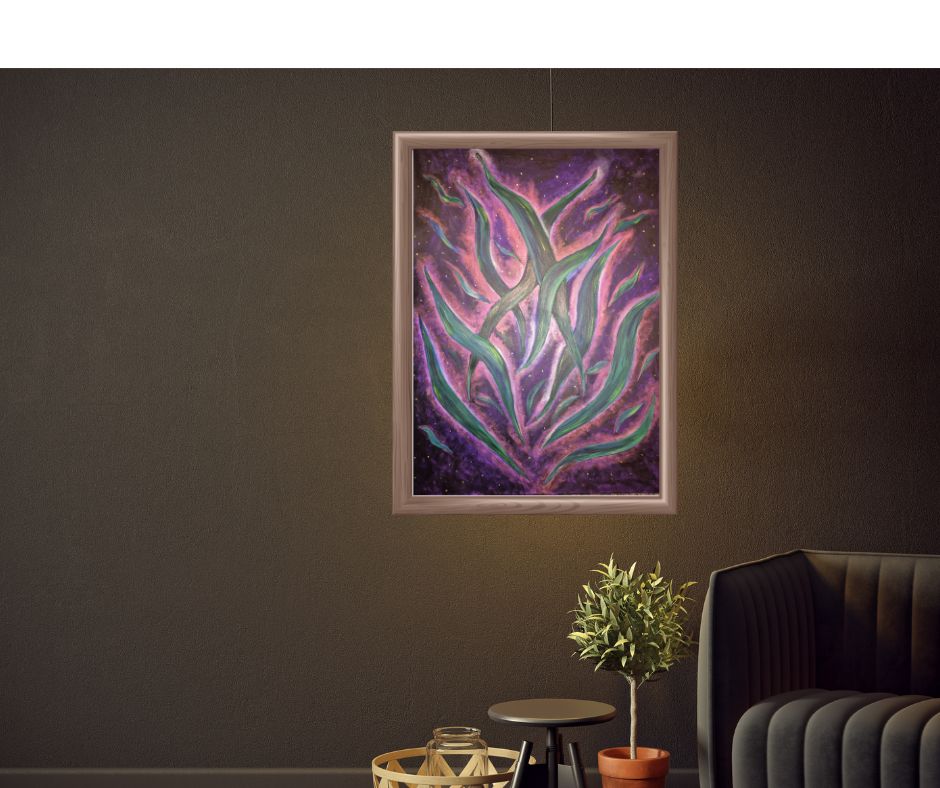
Discover how texture, form, and layering create meaning in expressive abstract painting, revealing emotion and inner movement through process.
In expressive painting, meaning is rarely immediate. It unfolds gradually through layers of color, texture, gesture, and time. Each surface becomes a record of movement, decision, and intuition, revealing traces of what was felt rather than what was planned. Texture plays a central role in my work. Through the accumulation of paint, scraping, erasing, and rebuilding, the surface becomes alive. These physical layers mirror emotional ones moments of hesitation, intensity, release, and transformation embedded into the canvas. Form in abstract painting does not aim to represent objects but to suggest presence. Shapes emerge and dissolve, sometimes barely visible beneath the surface. This ambiguity invites the viewer to look closer, to sense rather than identify. What remains unseen often carries as much meaning as what is revealed. The process itself is essential. Rather than striving for perfection or clarity, I allow the painting to evolve organically. Each layer responds to the previous one, creating a dialogue between control and spontaneity. This tension is where expressive power is found. For collectors and viewers, layered abstract paintings offer lasting engagement. Over time, new details emerge — subtle shifts in texture, hidden marks, and relationships between forms. Meaning is not fixed; it grows with repeated encounters.
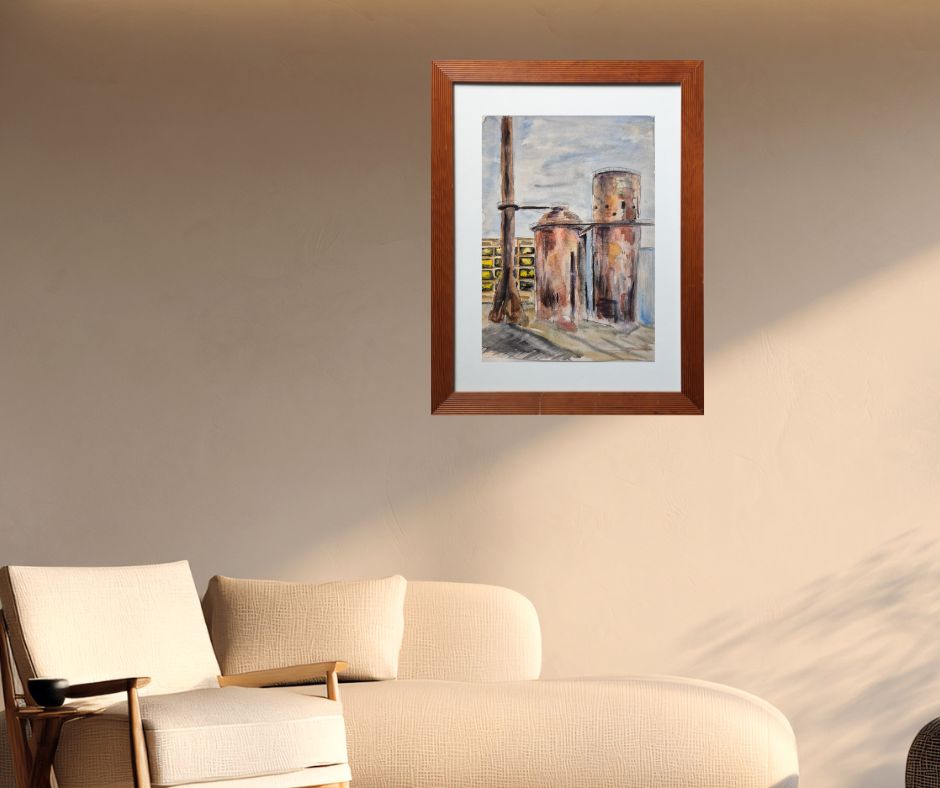
Explore the role of imperfection and the unfinished in contemporary abstract art, where process and vulnerability become artistic language.
The idea of the “unfinished” holds a quiet strength in contemporary art. Imperfection, incompleteness, and visible process invite honesty allowing the artwork to remain open, vulnerable, and alive. In my paintings, traces of the process are intentionally preserved. Drips, uneven edges, exposed underlayers, and unresolved spaces are not flaws to be corrected but elements that carry meaning. They reflect moments of change, uncertainty, and growth. Embracing imperfection challenges traditional expectations of beauty and completion. Rather than presenting a polished surface, the artwork reveals its making offering insight into the emotional and physical journey behind it. This transparency creates a more intimate connection with the viewer. The unfinished invites participation. When a painting does not resolve everything for the observer, it leaves room for interpretation. Viewers are encouraged to pause, reflect, and complete the experience internally, guided by their own perceptions and emotions. In a culture that often values speed and perfection, unfinished works slow the gaze. They remind us that meaning can exist without closure that beauty can emerge through process, vulnerability, and quiet presence.